
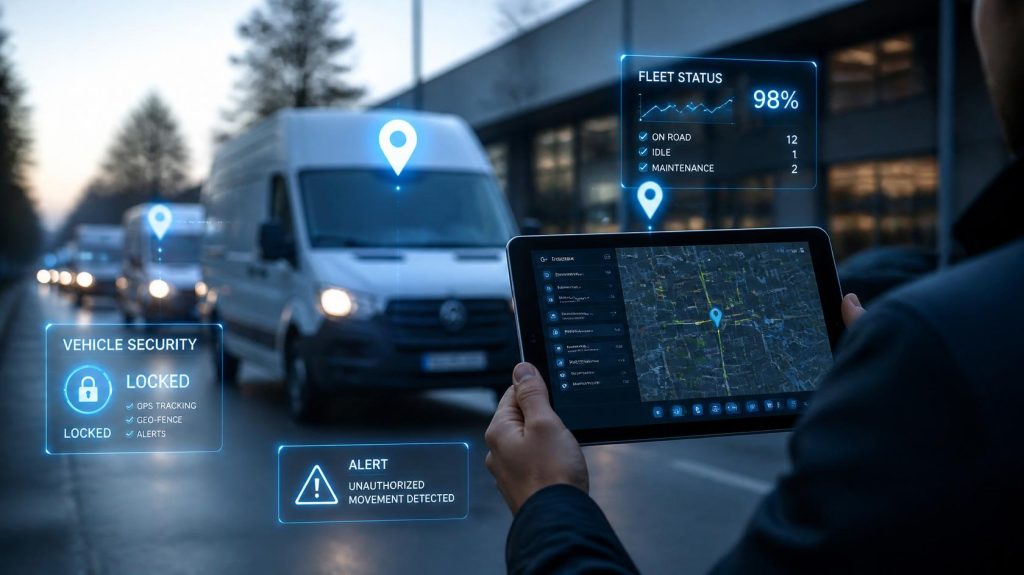
Businesses that depend on transportation face many challenges, including rising fuel costs, vehicle security risks, inefficient routes, and difficulty managing multiple vehicles. Whether a company operates delivery vehicles, service cars, trucks, or a corporate fleet, having proper visibility over vehicle operations is essential.
This is where vehicle monitoring technology provides a practical solution. By combining GPS tracking, digital reporting, and real-time data analysis, businesses can gain better control over their vehicles, improve efficiency, reduce operational costs, and make smarter decisions.
For modern businesses in Kenya, investing in vehicle monitoring technology is no longer just an added feature—it is becoming an important part of effective fleet management.
What Is Vehicle Monitoring Technology?
Vehicle monitoring technology refers to systems that use GPS devices, sensors, and software platforms to collect and display information about vehicle location, movement, and performance.
These systems allow business owners and fleet managers to monitor vehicles remotely through computers or mobile devices. Instead of depending on manual updates or phone calls, managers can access accurate information about their fleet whenever they need it.
Common features of vehicle monitoring technology include:
- Real-time GPS tracking.
- Route history reports.
- Driver behaviour monitoring.
- Fuel usage analysis.
- Geofencing alerts.
- Maintenance reminders.
- Fleet performance reports.
These features help businesses understand how their vehicles are being used and identify areas where improvements can be made.
1. Improved Vehicle Security
Vehicle security is one of the biggest concerns for businesses that depend on transportation. Company vehicles represent valuable assets, and losing them through theft can cause major financial losses and disrupt operations.
Vehicle monitoring technology improves security by allowing businesses to track vehicle locations in real time. If a vehicle moves unexpectedly or is taken without authorization, managers can quickly identify its location and take appropriate action.
GPS tracking also supports faster vehicle recovery by providing accurate location information.
To learn more about protecting your vehicles, explore our Vehicle Tracking Services. (Internal Link: https://softlinkoptions.me.ke/Franklin%20/?page_id=217.)
2. Better Fleet Visibility and Control
Managing multiple vehicles without proper monitoring can be difficult. Business owners may struggle to know:
- Where vehicles are located.
- Whether drivers are following planned routes.
- How long vehicles remain at certain locations.
- Whether company vehicles are being used appropriately.
Vehicle monitoring technology provides complete visibility through a centralized dashboard. Managers can monitor their entire fleet from one location and make informed decisions based on accurate data.
3. Reduced Fuel Consumption and Operating Costs
Fuel expenses can significantly affect business profitability. Poor driving habits, unnecessary trips, and inefficient routes can increase costs.
With vehicle monitoring technology, businesses can identify areas where fuel is being wasted. Reports can highlight:
- Excessive idling.
- Unauthorized trips.
- Inefficient routes.
- Poor driving behaviour.
By addressing these issues, companies can reduce expenses and improve overall fleet efficiency.
4. Increased Driver Accountability
Drivers play a major role in the performance of any fleet. Without proper monitoring, businesses may experience unauthorized vehicle use, unsafe driving habits, or poor route management.
Vehicle monitoring systems provide information about driver behaviour, including:
- Speeding patterns.
- Sudden braking.
- Rapid acceleration.
- Route deviations.
This information allows businesses to provide better driver training, encourage safer driving, and improve accountability.
5. Improved Maintenance Planning
Vehicle breakdowns can cause delays, missed deliveries, and unexpected repair expenses. Regular maintenance is essential for keeping vehicles reliable and safe.
Many vehicle monitoring systems provide maintenance reminders based on vehicle usage, mileage, or operating hours.
Benefits include:
- Reduced unexpected breakdowns.
- Longer vehicle lifespan.
- Lower repair costs.
- Improved fleet reliability.
Preventive maintenance helps businesses keep operations running smoothly.
6. Better Customer Service
For businesses involved in transport, logistics, and deliveries, customer satisfaction depends on reliability and timely service.
Vehicle monitoring technology helps companies provide better service by:
- Improving delivery planning.
- Providing accurate arrival estimates.
- Reducing delays.
- Ensuring vehicles are assigned efficiently.
Customers benefit from improved communication, while businesses build stronger reputations.
Why Poppy Agencies Provides the Right Solution
At Poppy Agencies, we help businesses improve vehicle security and operational efficiency through reliable GPS tracking and vehicle monitoring solutions.
Our solutions are designed for companies that want better control over their vehicles, improved fleet performance, and reduced operational challenges.
Whether you manage a small number of vehicles or a large commercial fleet, our team can help you select a solution that matches your business requirements.
Visit our Services page to learn more about our vehicle tracking and fleet management solutions. You can also use our Contact Us page to request a consultation or quotation. (Internal Links:https://softlinkoptions.me.ke/Franklin%20/?page_id=649 .)
How to Choose the Right Vehicle Monitoring Solution
Before selecting a vehicle monitoring system, businesses should consider:
- Real-time tracking capabilities.
- Reliability of the service provider.
- Ease of accessing reports.
- Customer support availability.
- Scalability as the business grows.
- Compatibility with existing operations.
Choosing the right solution ensures that businesses receive maximum value from their investment.
Conclusion
Vehicle monitoring technology provides businesses with the tools needed to manage transportation more effectively. From improving security and reducing fuel costs to increasing driver accountability and enhancing customer service, these systems deliver significant benefits.
As businesses continue to rely on vehicles for daily operations, having accurate information about fleet performance becomes increasingly important.
Investing in vehicle monitoring technology allows companies to operate smarter, reduce unnecessary expenses, and protect their valuable assets.
For more information about GPS technology and how tracking systems work, visit GPS.gov. For transport safety information and regulations in Kenya, visit NTSA Kenya.